
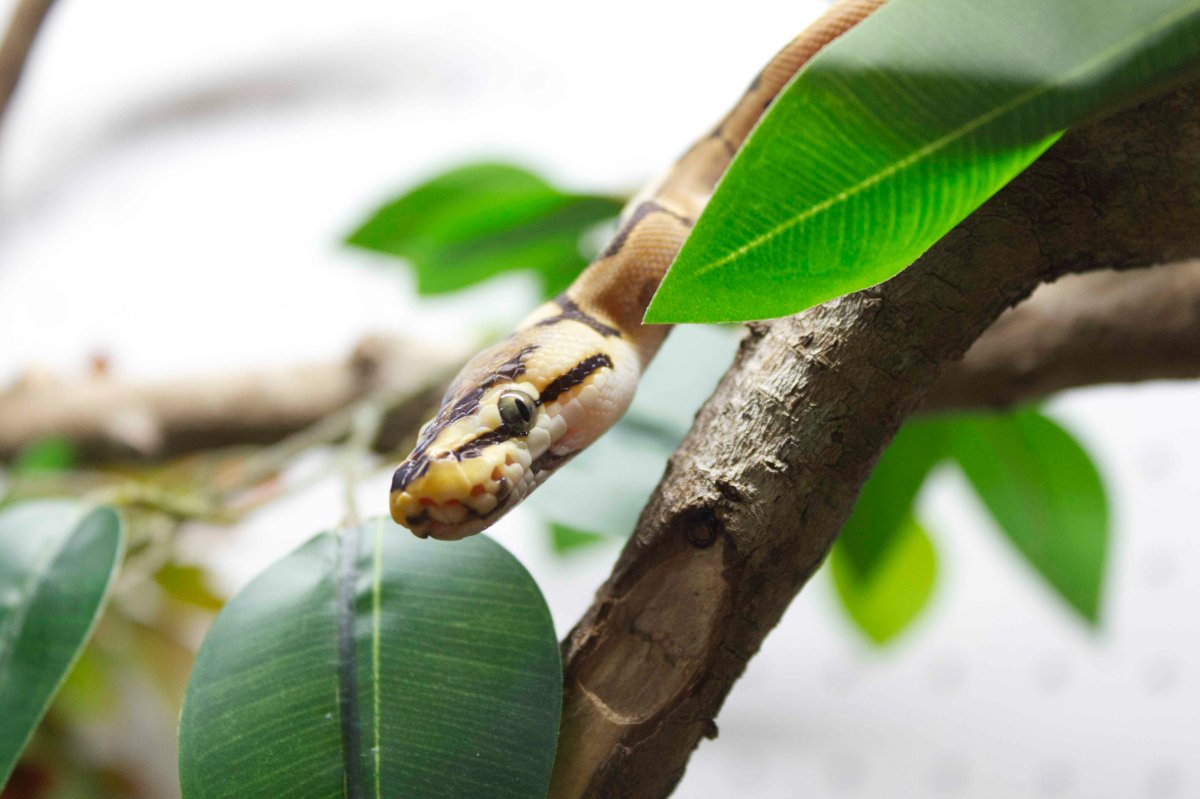
First: this is probably normal
Ball pythons are famous — genuinely famous, ask any vet — for going off food. A healthy adult can refuse meals for weeks or even several months without it being a problem. That reputation exists for a reason rooted in their biology, not because something is automatically wrong with your snake.
That said, "probably normal" isn't the same as "never worth checking." Here's how to actually tell the difference.
The usual suspects, roughly in order of likelihood
Shedding. In the days leading up to a shed, appetite drops off almost universally. Look for the dulling, blue-eyed cloudy phase — if you see it, feeding strikes are expected, not concerning.
Breeding season. Males especially can fast for the entire season — three to six months isn't unusual while they're focused on locating and locking with females. This is one of the most common causes of "sudden" refusal in adult males from November through spring, and it resolves on its own once the season ends.
Temperature or humidity drift. A warm side that's crept a few degrees too cool, or humidity that's fallen out of range, is enough to suppress appetite in an otherwise perfectly healthy snake. This is worth ruling out with an actual thermometer/hygrometer check, not a hand-feel guess.
Stress from environment changes. A new enclosure, a recent move, a new rack position, or even just a lot of handling right before feeding day can all trigger a temporary strike. Ball pythons are creatures of routine — a lot of small disruptions add up.
Seasonal fasting outside of breeding. Even non-breeding animals sometimes go through a natural seasonal dip in appetite, thought to mirror wild feeding patterns. It's less understood than the breeding-season version, but well documented across the hobby.
Prey preference. Some ball pythons are genuinely picky about prey type, size, or scent — a switch from live to frozen/thawed, a different rodent species, or even a different supplier's rats can trigger a refusal that has nothing to do with health.
When it's actually worth worrying
The single best early-warning signal isn't the number of missed meals — it's weight. A ball python that's maintaining or only very slowly losing weight through a fast is doing exactly what the species evolved to do. One that's losing weight steadily, feels noticeably lighter by hand, or shows a sunken look around the spine is a different situation entirely.
Other genuine red flags, regardless of how long the fast has gone on:
- Visible weight loss you can see or feel, not just suspect
- Lethargy beyond normal ball python stillness
- Open-mouth breathing, wheezing, or bubbles at the nostrils
- Retained shed alongside the refusal
- Any mouth discoloration or discharge
Any of these, alongside a feeding strike, is worth a reptile vet — not a forum thread.
The fix that actually helps: watch the trend, not the meal
The single most useful thing you can do isn't trying a new prey item every three days — it's tracking weight over time so a real problem shows up as a trend, weeks before it would be obvious by eye. That's exactly what the feeding and weight logs in the SKS Exotics app are for: log a feeding (or a refusal) in seconds, and watch the weight trend line do the worrying for you. Free for up to five animals, no card required.